Bruxism is teeth grinding, it describes a range of related behaviours including teeth grinding, gnashing and clenching of the jaw. Bruxism is usually a subconscious behaviour performed during sleep. It’s a habit that affects around 8-10% of the population. Bruxism occurs in both children and adults but is most common in 25-44-year-olds. However, most people grind and/or clench their teeth occasionally to a certain degree.
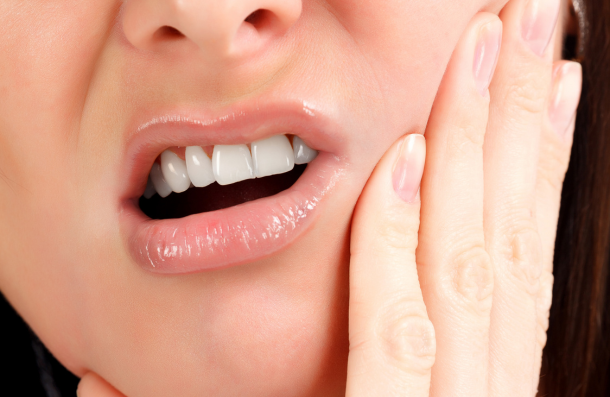
Bruxism is the habit of grinding or clenching your teeth — often during sleep or times of stress.
Over time, it can damage teeth, cause jaw pain, and lead to headaches.
It is known that bruxism rarely occurs alone. Research has consistently found that bruxism is found more frequently in those individuals who have an existing sleep disorder such as snoring, breathing pauses during sleep and Obstructive Sleep Apnoea.
Demographic and lifestyle factors such as young age, higher educational status, smoking, caffeine intake and heavy alcohol consumption are associated co-factors of bruxism. The use of tobacco, alcohol, caffeine, or medications for sleep, depression, and anxiety increases arousal and leads to problems falling asleep, staying asleep and daytime sleepiness.
Anxiety and stress are significantly related to tooth grinding during sleep and it has been found that nearly 70% of bruxism occurs as a result of stress or anxiety. It is well documented that job-related stress is detrimental to good sleep and as a consequence can be responsible for daytime sleepiness. But, it is also the most significant factor associated with bruxism.
When teeth don’t line up properly, the bite can place extra strain on the jaw muscles, increasing the risk of grinding.
In some cases, chronic teeth grinding can result in a fracturing, loosening or even loss of teeth. The chronic grinding may wear teeth down to stumps. When these events happen, bridges, crowns, root canal treatment, implants, partial dentures and even complete dentures may be needed.
Yes — repeated grinding leads to enamel loss, cracks, and sensitivity.
A night guard won’t stop the habit — but it protects your teeth from harm.
Not always, but many patients can manage symptoms and prevent damage with treatment.

If you’re suffering with TMJ pain, you’re not alone.

“I've been a coming here for many years, but recently their approach with my 7 year old autistic foster child has been exceptional. After an appointment where he had two small fillings he said...”
“I recently had a new registration appointment for an hour with Dr Richard Aldridge With my somewhat complex dental history I found him to be outstanding in his attentiveness, understanding and professionalism. He coped...”
“rapid response to an acute dental problem - saw me less than 2 hours after I phoned, and very thorough assessment and treatment.”
“My husband and I visited to see Nicole, one of the hygienists. She was and is very professional and explained everything. Highly recommended.”
“Great service from Dr Richard Aldridge and the staff . Treated with empathy. From Glenn Williams - saw Richard a few days ago, great treatment, everything explained in detail. Also,the front desk staff give...”
“Very friendly, professional and informative staff, who provide possible treatment and cost options where necessary. Cannot fault them in any way.”
“I haven’t been dentist for over 15 years but when I broke a tooth I had no choice. Really friendly service, made me feel relaxed and comfortable. Surprisingly teeth are good just need broken...”
Error: No feed with the ID 2 found.
Please go to the Instagram Feed settings page to create a feed.