Dental fillings
- Home
- /
- Treatments
- /
- General Dentistry
- /
- Filling



When your tooth shows signs of decay, we can help to stop it before any further damage is caused. Fillings are there to help restore your tooth back to its normal shape and prevent any further decay.
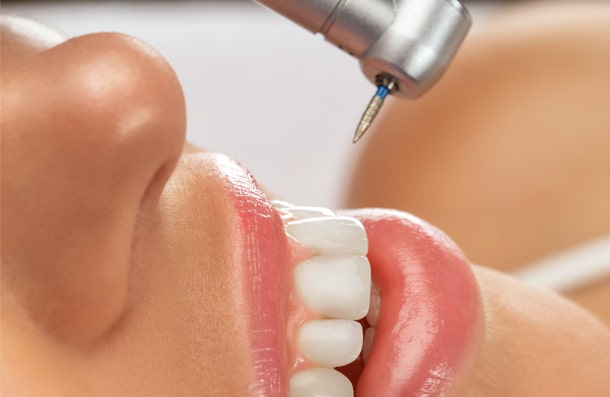


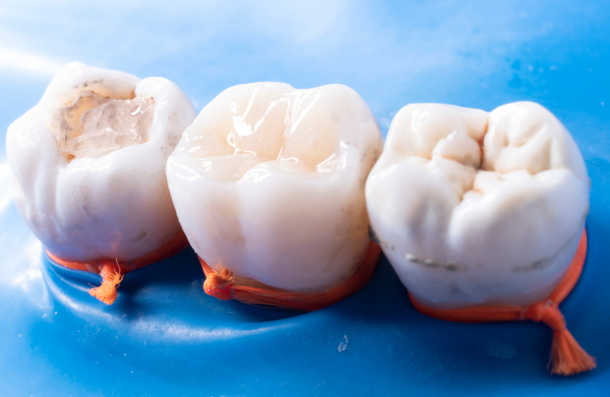
Composite fillings are matched to be the same colour as your teeth and therefore used where a natural appearance is desired. They are the material of choice for the restoration of small cavities. Major advances in the properties of this material have allowed us to completely change the way we treat decay. With less drilling, we can keep more of your healthy tooth. Composites may not be the ideal material for large fillings as they may chip or wear over time. Coffee, tea, and tobacco can discolour white fillings, and have a shorter lifespan of 3 to 10 years compared to other types of fillings.
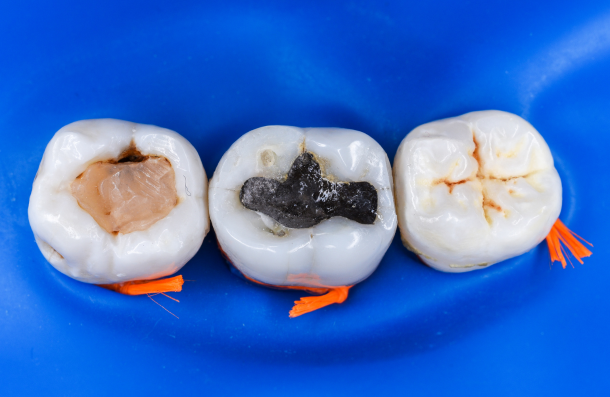
Amalgam fillings are resistant to wear and relatively inexpensive. However, due to their dark colour, they are more noticeable than porcelain or composite restorations and are not usually used in very visible areas, such as front teeth. The advantage of dental amalgam is that it does not require the tooth to be dry for its placement and can therefore provide successful restoration in situations which might otherwise lead to the extraction of a tooth.
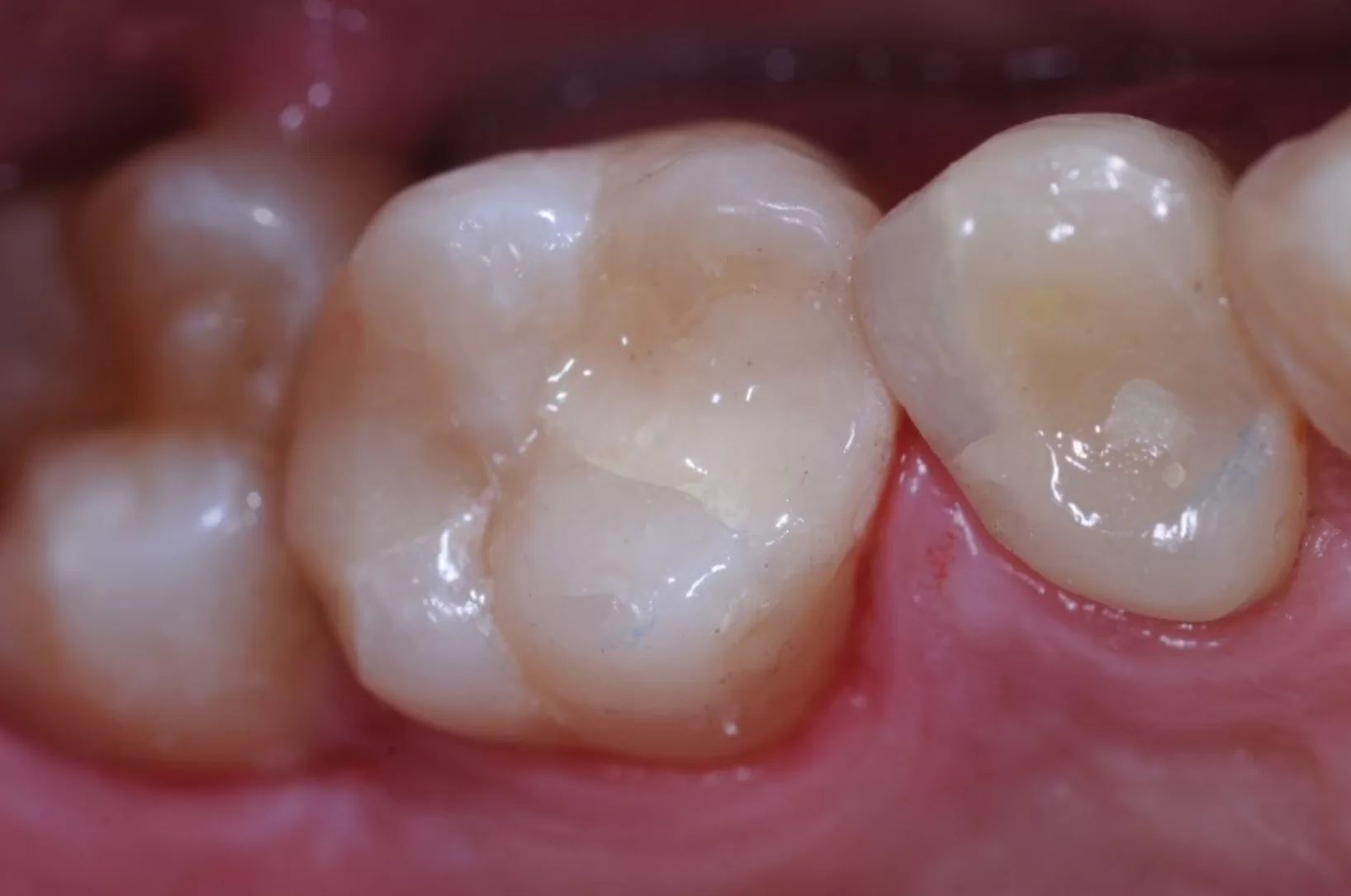
Glass Ionomer – is often used on the primary teeth or to fill in small areas of decay, as they tend to be very delicate and take considerable wear and tear. When used on a permanent tooth, this type of filling is usually placed in a spot that isn’t subject to extreme pressure or chewing action. Can be used as a temporary filling or semi-permanent.













Error: No feed with the ID 2 found.
Please go to the Instagram Feed settings page to create a feed.