BLOG

TMJ Dysfunction

13 / 11 / 2024

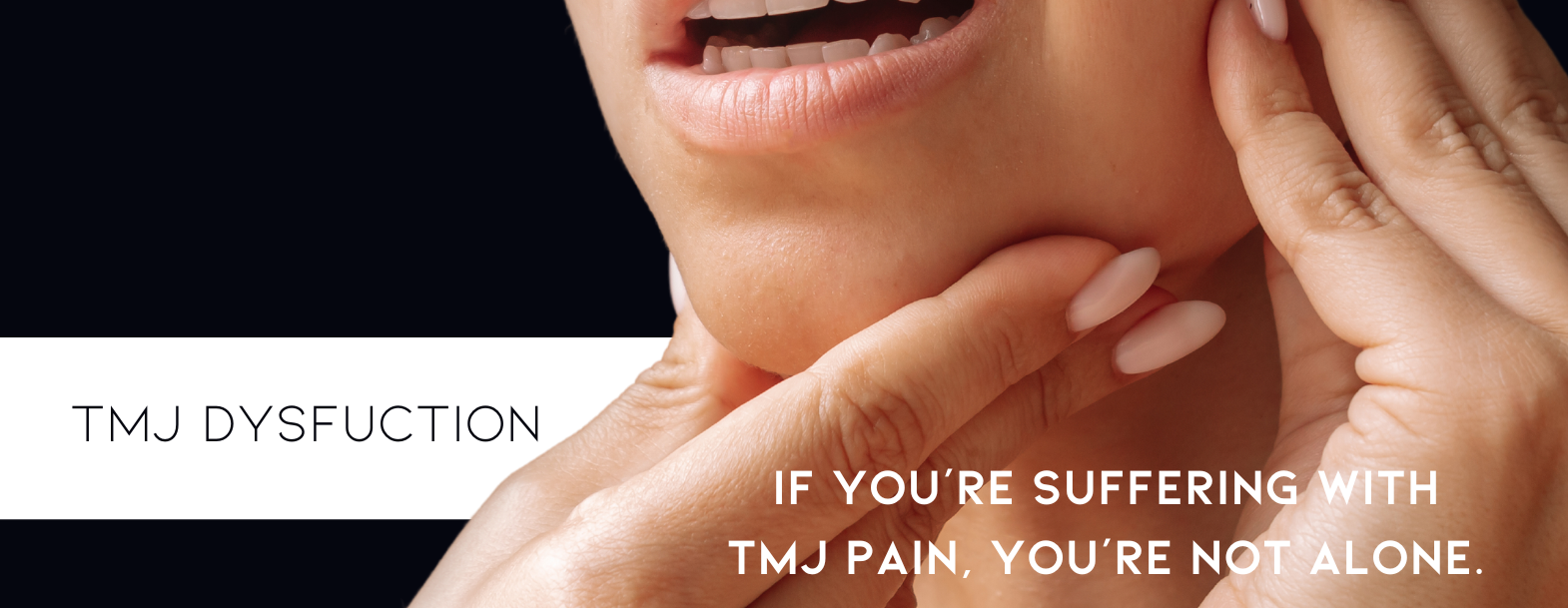
If you're suffering with TMJ pain, you're not alone. This condition, which affects the temporomandibular joints (the joints that connect your jaw to your skull), can cause a range of uncomfortable symptoms, including jaw pain, headaches, difficulty chewing, and even ear ringing. But don't despair - there are plenty of treatments available that can help manage these symptoms and improve your quality of life.
GET IN TOUCH

TMJ

TMJ Dysfunction

If you’re suffering with TMJ pain, you’re not alone. This condition, which affects the temporomandibular joints (the joints that connect your jaw to your skull), can cause a range of uncomfortable symptoms, including jaw pain, headaches, difficulty chewing, and even ear ringing. But don’t despair – there are plenty of treatments available that can help manage these symptoms and improve your quality of life.

What is TMJ Pain?

TMJ pain is a common condition that can affect anyone at any age, but it is more common in women and people between the ages of 20 and 40.

The pain is usually caused by a combination of factors, including genetics, arthritis, jaw injury, or grinding your teeth. It can be a temporary or long-lasting issue depending on the cause and severity.

Night guard

Symptoms of TMJ Pain

Grinding night guard

The most common symptom of TMJ pain is a pain in your jaw joint and in the muscles that control jaw movement.

Other symptoms include aching pain in and around your ear, difficulty chewing or pain while chewing, aching facial pain, and locking of the joint, making it difficult to open or close your mouth.

These symptoms can affect one or both sides of your face. It’s important to seek medical attention if you have persistent pain or tenderness in your jaw, or if you can’t open or close your jaw completely.

How to Manage TMJ Pain

Managing TMJ pain involves a combination of self-care practices, physical therapy, medications, and in some cases, surgical procedures. Self-care practices include eating soft foods, applying heat or cold to the side of your face, and avoiding extreme jaw movements. Over-the-counter pain relievers and anti-inflammatories can help manage the pain. Physical therapy exercises can strengthen jaw muscles and improve flexibility. In some cases, corticosteroid injections or even surgery might be necessary.

Tips to ease TMJ pain

Think of your jaw joint as any other joint in your body, when it gets sore it needs to rest. But understandably this sounds difficult as you are constantly needing your jaw to talk and eat.

Things you can do to help the pain and rest your jaw:

  • Regular pain relief- Paracetamol or ibuprofen*. Please follow the manufacturer’s instructions.
  • Anti-inflammatory gels to rub onto the joint*
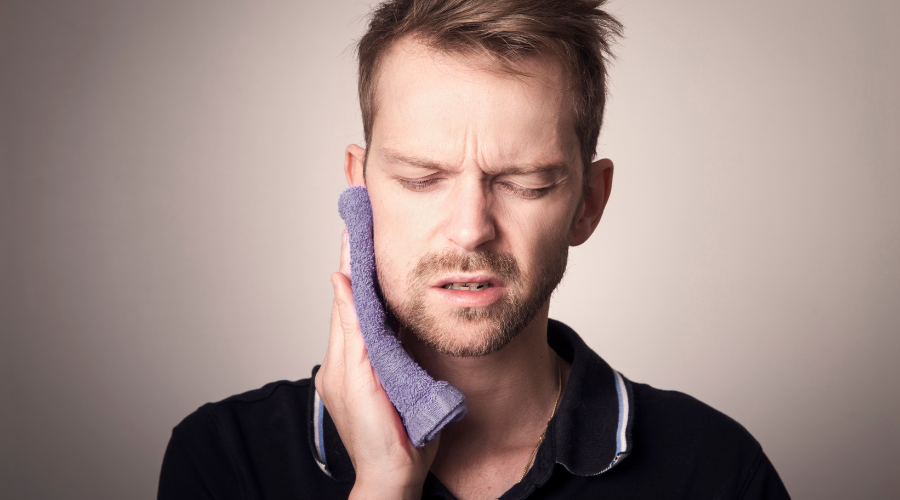
  • Alternate hot and cold compresses on the joint
  • Limiting mouth opening

Limit mouth opening by-

  • Not eating any chewy food – steak, chewing gum, baguettes, chewy sweets ect
  • Cut up fruit and veg into smaller bite sizes
  • Don’t bite into an apple, try cutting up instead.  Same applies to other fruit and vegetables.
  • Stifle any yawns by placing your hand underneath your chin.
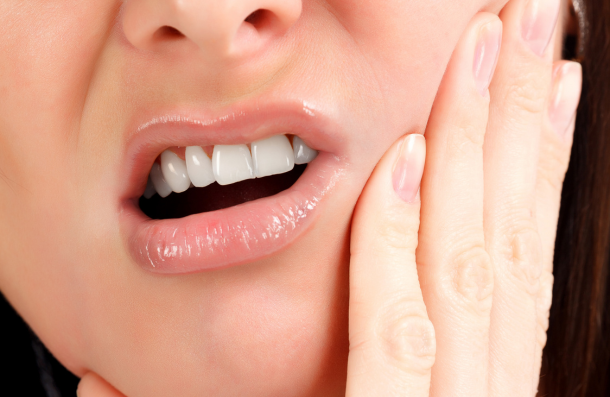
Lady at the dentist holding her mouth in pain
Grinding

Temporal Mandibular Dysfunction Exercise

  • Perform the exercise with the aid of a mirror
  • Open mouth slightly and curl the tongue upwards and backwards so that it touches the palate
  • Keeping the tongue in the curled up position but still touching the palate, open your mouth.
  • Close your back teeth without sticking your chin forwards
  • Continue with these exercises until you experience an aching along the cheekbones and behind the jaw.
  • Rest
  • Repeat exercises four or 5 times a day but only until an ache in the face appears. This face ache is due to muscle fatigue and continuation of the exercise during muscle fatigue will lead to acute muscle spasm.
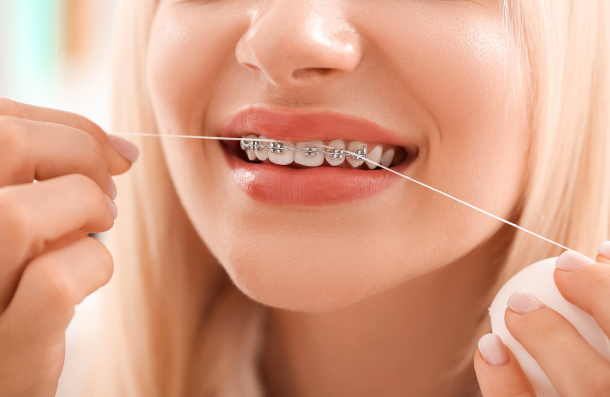
lady flossing fixed braces

How to Care for Braces and Retainers

Embarking on the journey to a straighter smile with braces or retainers is a significant commitment. Proper care of these orthodontic appliances is essential to ensure effective treatment and maintain optimal oral health. At Abbey Mead Dental & Implant Clinic, we’re dedicated to guiding you through this process with expert advice and support.

Sensitive

Understanding Acid Erosion

One common dental concern that we often address is acid erosion. This silent, yet destructive condition can have a significant impact on the health and appearance of your teeth. Understanding acid erosion, its causes, and how to prevent it is crucial for safeguarding your oral health.


Back to Blog

GET IN TOUCH

What do they say about Abbey Mead?

“Had a check to identify possible problems. Very thorough examination. Listened and responded to my concerns re possible connections to recurrent sinusitis. Identified a decay problem hidden in a sensitive tooth and recommended extraction....”

John

“Amazing experience all the staff are pleasant and the actual treatment was professional and pain free”

Nick

“Excellent care and customer service.”

Pam

“Very friendly and welcoming. Brilliant service well recommended 👌”

Robert

“I recently joined this practice and have already had my initial review and my first filling. Both visits were handled with real professionalism and care. The staff are friendly and welcoming, and my dentist...”

William

“Just before going on a long anticipated holiday I had toothache and was frantic. I phoned the practice and the kindness and understanding of the staff was such a relief. I was seen that...”

Janet

“My dentist took great care over my repair, i thought. In fact i thought that she was quite excellent”

Michael

instagram instagram

Follow Us on Instagram

This error message is only visible to WordPress admins

Error: No feed with the ID 2 found.

Please go to the Instagram Feed settings page to create a feed.

Google Rating
4.9
Google Rating